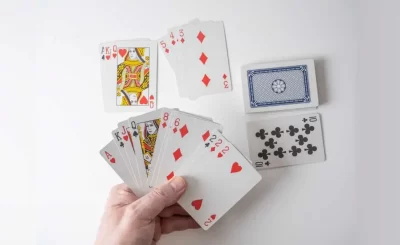
The thrill of a perfect sequence. The calculated risk of a bold discard. Rummy, at its heart, is a game of skill, strategy, and a little bit of nerve. But when you move from the kitchen table to organizing a full-blown tournament, the game changes. Honestly, it becomes less about the cards in your hand and more about the people in your virtual (or real) room.
Organizing a successful rummy tournament and nurturing the community around it is a delicate dance. It’s part logistics, part psychology, and a whole lot of fostering genuine connection. Let’s dive into how to build an event—and a tribe—that players keep coming back to.
Laying the Foundation: Tournament Organization That Doesn’t Crumble
Think of tournament organization as building the table everyone will play on. If it’s wobbly, the whole experience feels off. Here’s the deal: you need a rock-solid plan before you even announce the first round.
Choosing Your Format: The Rulebook
This is your first major decision. The format dictates the pace, the stakes, and who your tournament will attract.
- Knockout (Elimination): Classic and high-pressure. One loss and you’re out. It’s simple to understand but can feel brutal for newer players.
- League or Round-Robin: Every player plays a set number of games. Points are awarded for wins and maybe even margins. This rewards consistency and allows for more playtime, which is great for community building.
- Multi-Table Tournament (MTT): The staple of online platforms. Players start at many tables, and as they’re eliminated, tables consolidate until one final table remains. It scales beautifully.
You know, the trend lately is towards hybrid models. Maybe a round-robin qualifier that feeds into a knockout finale. It gives everyone a fair shot and keeps the climax exciting.
The Nitty-Gritty: Logistics & Tech
This is where the rubber meets the road. A smooth experience is a silent ambassador for your organizational skills.
| Key Aspect | Considerations & Pain Points |
| Platform & Software | Does it handle scoring automatically? Is the UI intuitive? Can it prevent disconnections? Test, test, test. |
| Clear Communication | Rules, schedule, tie-breakers—all in one easy-to-find document. Ambiguity is your enemy. |
| Prize Structure | Make it attractive and transparent. Does it reward only the top 3, or does it have a broader payout to keep more players engaged? |
| Support System | Have a dedicated channel (chat, email) for player issues. A problem ignored is a player lost. |
And a pro tip? Always have a plan B. What if the server lags? What if there’s a disputed call? Having a fair, pre-announced protocol for disputes is non-negotiable.
The Heart of the Game: Community Management That Connects
Okay, so the tournament runs smoothly. Big win. But if players leave right after the final score, you’ve missed the bigger opportunity. The real magic happens in the rummy community management space—the conversations between tournaments.
Your community isn’t a list of usernames; it’s a gathering of enthusiasts. They’re there for the game, sure, but also for the camaraderie, the shared struggle, the inside jokes.
Fostering Engagement: Beyond the Game
This means creating spaces and reasons for people to interact when they’re not in a tournament.
- Create a “Third Place”: A dedicated Discord server or forum forum acts as the digital equivalent of a local card club. Have channels for strategy talk, off-topic banter, and even meme-sharing.
- Highlight Your Players: Run “Player Spotlight” features. Share big win stories (with permission!). Celebrate not just the champions, but the most improved or the best sport.
- Host Casual, Non-Competitive Events: “Fun nights” with variant rules, partner rummy, or low-stakes games. It lowers the barrier for entry and lets people socialize without pressure.
Handling Conflict & Building Culture
Let’s be real—where there’s competition, there can be friction. A disputed call, a moment of poor sportsmanship in the chat. How you handle this defines your community’s culture.
Set clear, humane guidelines from the start. Enforce them consistently but with a touch of empathy. Sometimes a private conversation resolves more than a public warning. The goal isn’t to be a rigid referee, but a respected host who ensures everyone feels safe and respected.
The Synergy: When Organization Meets Community
This is where it all comes together. Your tournament organization feeds your community, and your community sustains your tournaments. They’re two sides of the same card.
Use your community to crowdsource ideas for the next tournament. Poll them on formats, buy-in levels, or themes. When players have a voice, they have ownership. They become ambassadors.
Then, use your tournaments to reinforce community bonds. Have a pre-tournament chat room where players can wish each other luck. Host a post-game debrief or watch party for the final table. The event becomes a shared story that your community members experience together.
In fact, the most successful organizers I’ve seen are those who participate, too. They play in the casual games, they share a bad beat story, they’re present. They’re not just admins; they’re the most enthusiastic members of their own club.
The Final Card: It’s About People, Not Just Points
At the end of the day, anyone can set up a bracket and track scores. The software can handle that. But the human element? That’s irreplaceable. The art of organizing online rummy tournaments seamlessly blends with the subtle craft of nurturing a group of individuals into a cohesive, passionate community.
It’s about remembering names, celebrating small victories, and creating a space where the love of the game is the true common denominator. When you get that right, the tournaments almost run themselves, fueled by a community that’s invested not just in winning, but in belonging. And that’s a hand worth playing for.